
- BuildPadAI rapid application development for secure, tailored internal tools.
- Chocolate FactoryAgentic AI platform to observe, teach and configure your agents.
- Cloud PrimusOne control plane for AI and cloud, with cost control built in.
- SentryPageIntelligent website defacement monitoring that catches changes fast.
- VisorOne AI-powered CMS for every enterprise website you run.
Transport: peak capacity without paying all year
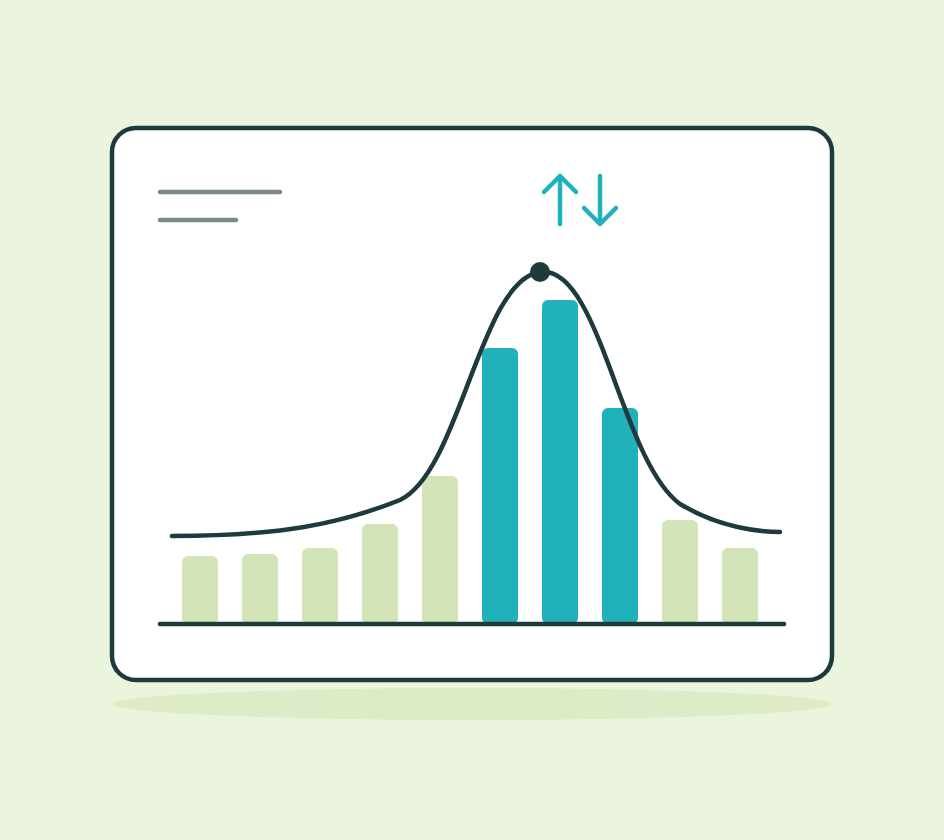
Peak season is four weeks long and paid for all year
The problem
A terminal or logistics operation has a busiest few weeks a year, and everything else is not that. Size infrastructure for the average and the busiest week overwhelms it exactly when the business needs it most. Size for the peak and the other forty-eight weeks are spent carrying capacity that sits idle, paid for in full whether it is used or not.
The usual answer
Some operators accept the trade-off and size for peak, treating the idle capacity as an insurance cost. Others size for the average and add a manual scaling step before the season starts, which works if someone remembers to trigger it early and reliably enough, and leaves the operation exposed to any surge arriving outside the planned window. Neither approach makes the cost line move with the actual load.
How we approach it
We architect for elastic demand: infrastructure that scales up as load actually rises and scales back down once it passes, rather than being provisioned for a fixed capacity in advance. Alerts on cost sit next to alerts on load, so a spike in usage and a spike in spend are both visible in the same place, and scaling up automatically does not mean losing sight of what it costs to do so.
What changes
The busiest day gets absorbed without a manual scramble beforehand, and the bill for the quiet months reflects the quiet months. Peak capacity becomes something the system reaches for when it needs it, rather than something paid for and left unused for eleven months of the year.