
- BuildPadAI rapid application development for secure, tailored internal tools.
- Chocolate FactoryAgentic AI platform to observe, teach and configure your agents.
- Cloud PrimusOne control plane for AI and cloud, with cost control built in.
- SentryPageIntelligent website defacement monitoring that catches changes fast.
- VisorOne AI-powered CMS for every enterprise website you run.
Government: applications screened before officers
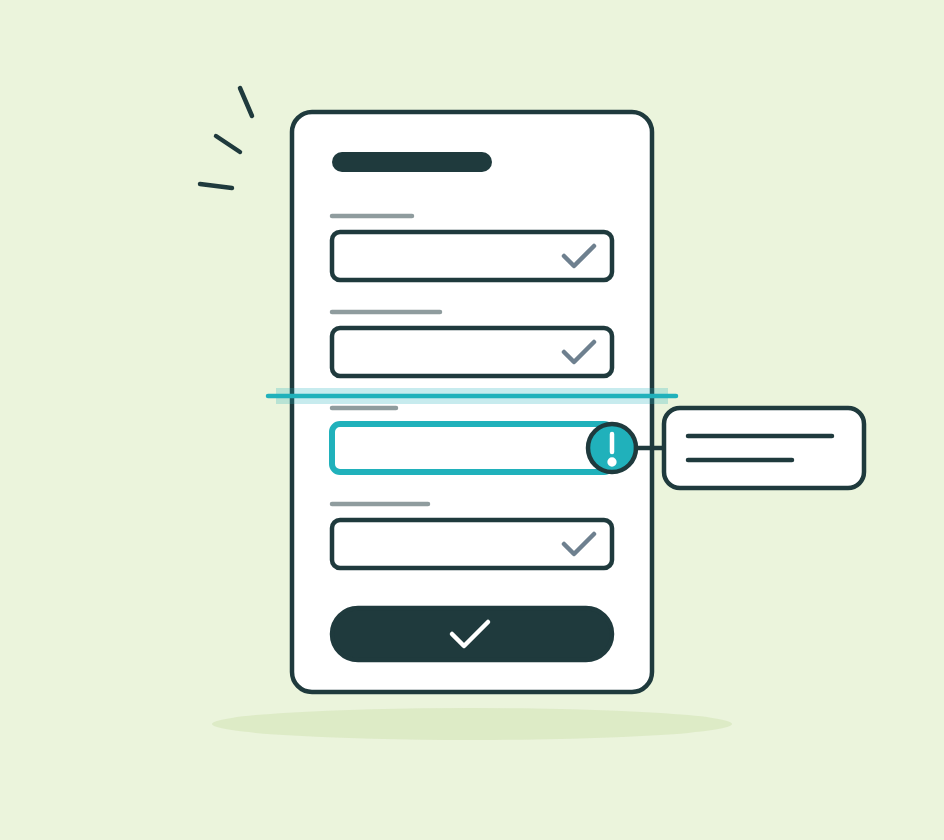
Most rejections aren't refusals, they're incomplete forms sent back and resubmitted
The problem
A rejected application is rarely rejected on its merits. It comes back because a field was misread, a document was missing, or a supporting page did not match what the form asked for. The applicant did not do anything wrong on purpose, but a form is built to be filled once, not to be forgiving of a first attempt. So it goes back, on the officer's schedule rather than the applicant's, and the queue absorbs the same case twice before it is ever assessed on its actual content.
The usual answer
The usual answer is to add people to the front of the queue. A first-pass reviewer scans for the obvious gaps before a case reaches an assessing officer, which catches some errors and adds a full extra step for every applicant whether they needed it or not. A helpline catches more, at the cost of a wait time nobody enjoys and a script that cannot see the actual document a caller is holding. Better published guidance helps the applicants who read it before they start, and does nothing for the ones already partway through the form.
How we approach it
We build screening into the application itself, before submission rather than after. A model checks the same fields and documents an officer would check, flags what looks wrong or missing in language the applicant can act on immediately, and lets them fix it while the form is still open. Getting the false-positive rate right matters more than getting the coverage right: a screen that flags a correctly filled field erodes trust in one use and gets ignored from then on, so the threshold for what counts as a gap is tuned against real rejected applications before it goes anywhere near a live form.
What changes
Officers open cases that are already complete. The share sent back for missing information drops, and the time that used to go into a second pass over the same case goes into actually assessing it. The applicant finds out what is wrong in the same sitting instead of a letter two weeks later.