
- BuildPadAI rapid application development for secure, tailored internal tools.
- Chocolate FactoryAgentic AI platform to observe, teach and configure your agents.
- Cloud PrimusOne control plane for AI and cloud, with cost control built in.
- SentryPageIntelligent website defacement monitoring that catches changes fast.
- VisorOne AI-powered CMS for every enterprise website you run.
Financial desks working from today's numbers
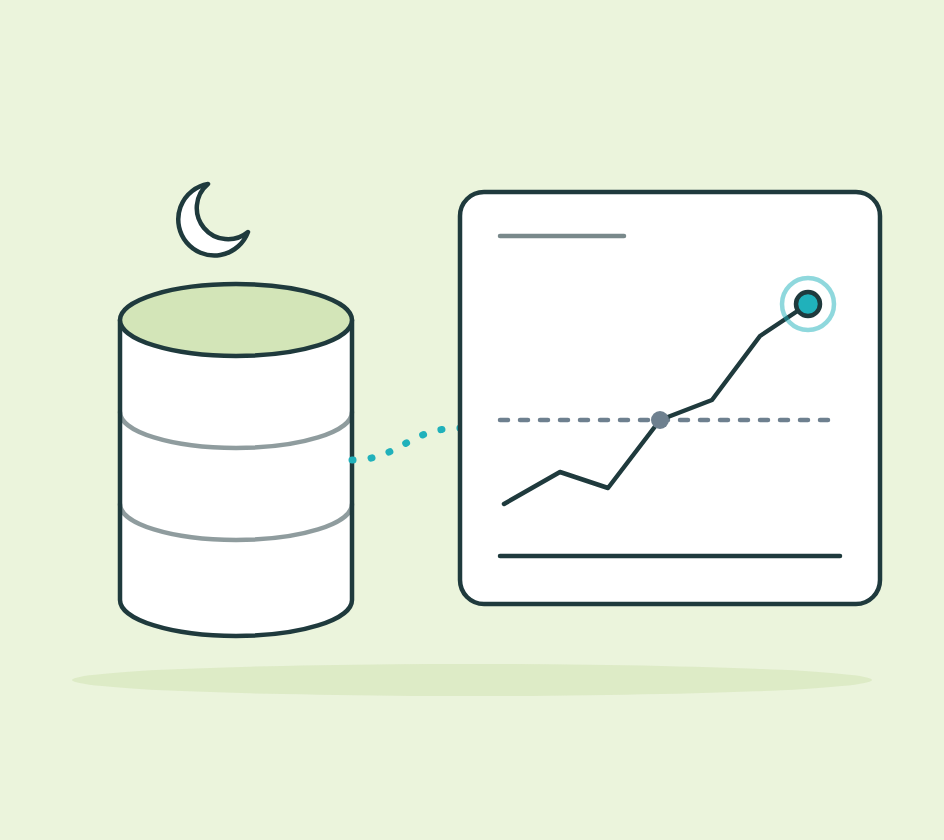
Every decision today is made on yesterday's numbers
The problem
Core banking and insurance systems close their books overnight. The batch runs, the position is struck, and that becomes the number everyone works from. It is a sound design and it is not going away, because the same properties that make a core system slow to change are the ones that make it trustworthy.
The usual answer
The cost shows up in the hours between. A team looking at a position at four in the afternoon is looking at where things stood at midnight, before this morning's trades, this morning's claims, this morning's drawdowns. Everyone in the business knows this, so they compensate. Someone keeps a spreadsheet of today's movements to lay over the official figure. Someone else calls the desk to ask what has actually happened. The real position exists in fragments, held by whoever thought to track it, and the decision gets made on a blend of a reliable stale number and an unreliable current one.
How we approach it
We feed the reporting layer continuously and leave the batch exactly where it is. Changes are captured from the core as they commit and streamed into a reporting store, so the current position is assembled from live movements on top of the last struck position. Nothing about the core's processing changes, and its overnight output stays the record for anything that has to reconcile, be signed off or be reported externally. The two are reconciled against each other, so a drift between the live view and the closing position is caught rather than argued about.
What changes
The desk works from today's figures. Intraday exposure, cash position and claims volume are visible while the day is still running, and the reconciled overnight number remains the number of record. The private spreadsheets stop being necessary.