- BuildPadAI rapid application development for secure, tailored internal tools.
- Chocolate FactoryAgentic AI platform to observe, teach and configure your agents.
- Cloud PrimusOne control plane for AI and cloud, with cost control built in.
- SentryPageIntelligent website defacement monitoring that catches changes fast.
- VisorOne AI-powered CMS for every enterprise website you run.
Securing CRIS with Proactive Defense

Maintain Security Reliability and Vulnerabilities
CHALLENGE
In an increasingly digital world, systems face constant threats from cyberattacks, hardware failures, and software vulnerabilities. Ensuring robust security while maintaining high reliability is crucial for safeguarding sensitive data and delivering seamless user experiences.
Ensuring Security, Reliability, and Proactive Vulnerability Management
Organizations face increasing challenges in maintaining robust security, ensuring system reliability, and addressing vulnerabilities effectively. Threats such as cyberattacks, system outages, and software vulnerabilities can disrupt operations, compromise sensitive data, and erode customer trust.
This challenge calls for a proactive approach to:
- Strengthen Security: Protect systems and data with robust encryption, access controls, and adherence to compliance standards.
- Enhance Reliability: Ensure high availability through system resilience, monitoring, and disaster recovery plans.
- Mitigate Vulnerabilities: Identify and address security gaps through continuous scanning, patch management, and incident response.
Organizations must adopt a unified strategy that balances these priorities while maintaining performance and user experience.
Strengthening Defenses and Ensuring Operational Continuity to Mitigate Risks
Addressing security, reliability, and vulnerabilities within an AWS environment provides significant benefits, ensuring a secure, scalable, and highly available cloud infrastructure. The key impacts include:
- Strengthened Cloud Security: AWS Identity and Access Management (IAM), encryption services (KMS), and security tools like AWS Shield and AWS WAF protect sensitive data and mitigate threats such as unauthorized access and DDoS attacks.
- Enhanced Reliability: AWS services like Elastic Load Balancing (ELB), and Multi-AZ deployments ensure high availability, fault tolerance, and seamless failover to maintain uninterrupted operations.
- Efficient Vulnerability Management: Tools like Amazon Inspector and AWS Systems Manager simplify vulnerability assessments, patch management, and compliance tracking across instances and containers, reducing risk exposure.
- Faster Incident Response: AWS CloudTrail and Amazon GuardDuty enable real-time threat detection and logging, allowing teams to respond quickly to security incidents and maintain system integrity.
- Optimized Disaster Recovery: Services like Amazon S3 for backups, AWS Backup for automation, and AWS Elastic Disaster Recovery (AWS DRS) ensure fast recovery and meet Recovery Time Objectives (RTO) and Recovery Point Objectives (RPO).
- Regulatory Compliance: AWS provides a secure foundation with certifications such as ISO 27001, HIPAA, and SOC 2, simplifying compliance for organizations leveraging managed AWS services.
By leveraging AWS-native tools and best practices, organizations can build a robust environment that minimizes risks, ensures operational continuity, and supports innovation at scale.
Ensuring Continuous Performance and Security Through Routine Monthly Maintenance
CHALLENGE
Monthly maintenance is essential to keep systems secure, reliable, and optimized. It helps address vulnerabilities, apply updates, and resolve potential issues before they impact operations. Regular upkeep ensures peak performance, prevents downtime, and maintains compliance with security and regulatory standards.
Maintaining System Health and Security with Regular Maintenance
Regular monthly maintenance is crucial for keeping systems secure, efficient, and running smoothly. By addressing potential issues before they arise, applying necessary updates, and optimizing resources, organizations can prevent performance degradation and minimize the risk of security vulnerabilities. Monthly maintenance ensures systems stay aligned with business needs and technological changes, helping maintain high availability and compliance.
Enhancing Performance, Security, and Compliance through Monthly Maintenance
Routine monthly maintenance in an AWS environment ensures optimal performance, robust security, and continued compliance with regulatory standards. Key impacts include:
- Improved System Security: Regular updates and patching of AWS services prevent vulnerabilities, helping protect against potential threats and ensuring data integrity.
- Optimized Performance: Monitoring and resource optimization (e.g., adjusting EC2 instances, RDS performance tuning) ensure efficient use of AWS resources, improving application speed and reducing costs.
- High Availability and Reliability: Preventive checks and updates reduce downtime and ensure the environment remains resilient, with services like AWS Elastic Load Balancing (ELB) ready to handle traffic spikes.
- Regulatory Compliance: Quarterly audits and configuration checks maintain compliance with standards such as ISO, SOC 2, and HIPAA, mitigating risks of non-compliance penalties.
- Disaster Recovery Readiness: Ensuring backups are up-to-date and testing recovery plans with AWS services like Amazon S3 and AWS Backup strengthens the ability to recover from failures quickly.
- Cost Efficiency: Routine assessments of AWS resource usage allow for scaling adjustments and resource allocation changes, leading to better cost management and avoiding over-provisioning.
By integrating monthly maintenance into AWS workflows, organizations can sustain a secure, high-performing, and cost-effective cloud infrastructure.
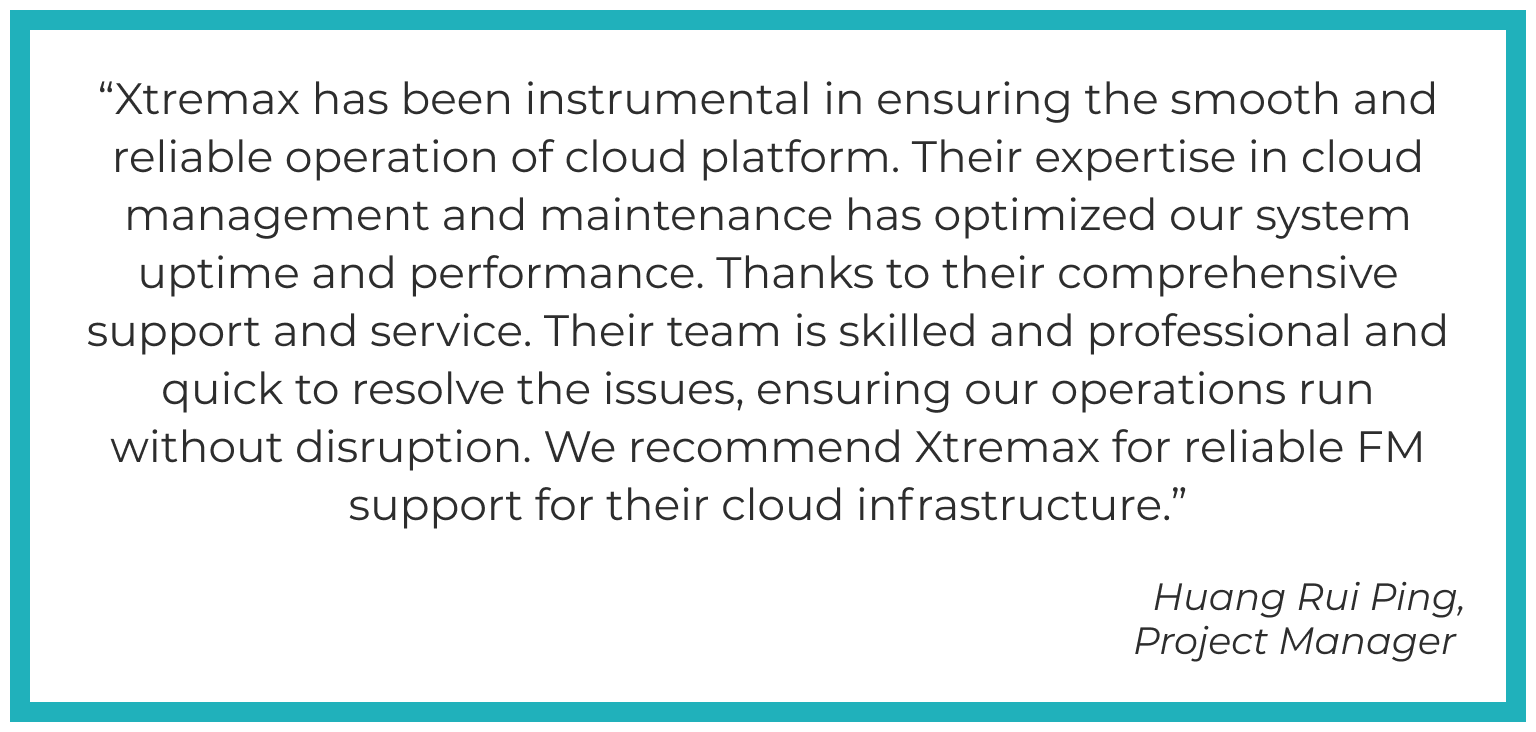
TESTIMONIAL