
- BuildPadAI rapid application development for secure, tailored internal tools.
- Chocolate FactoryAgentic AI platform to observe, teach and configure your agents.
- Cloud PrimusOne control plane for AI and cloud, with cost control built in.
- SentryPageIntelligent website defacement monitoring that catches changes fast.
- VisorOne AI-powered CMS for every enterprise website you run.
Sustainability reports without yearly data hunts
The sustainability report takes six weeks and five of them are spent collecting data
The problem
The reporting team does not own the data it reports. Electricity sits with the utility, fuel with the fleet supplier, waste with a contractor, water with the site, refrigerant with whoever last serviced the plant. Some of it arrives as an invoice, some as a portal login, some as a spreadsheet a site manager maintains personally.
The usual answer
So every reporting cycle starts with the same round of emails. Chase the sites, chase the vendors, find out who replaced the person who used to send this, work out why one site's figures cover a different period, convert everything into comparable units, and reconcile the two sources that disagree. The team gets good at it, which is the problem. The knowledge lives in the people who do the chasing, the effort is spent again from scratch next year, and the analysis that the report is actually for gets whatever time is left at the end.
How we approach it
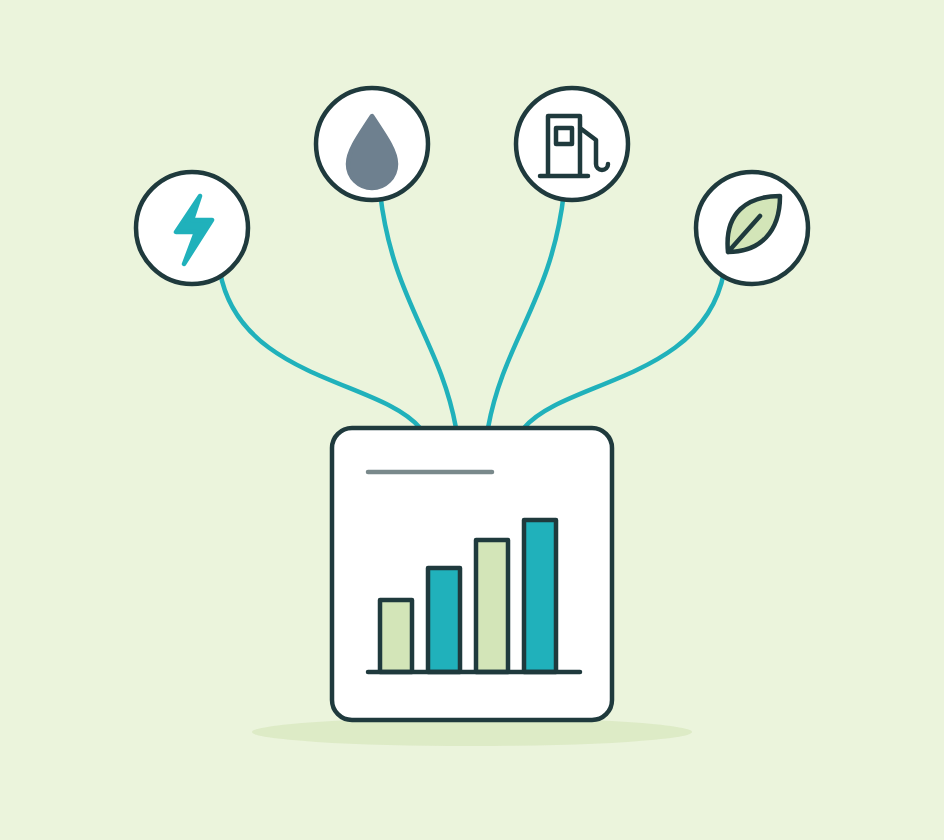
We connect the sources once. Where a system or a portal can be read directly, it is read on a schedule. Where the data only arrives as a file or an invoice, we set up an intake that parses it into the same structure as everything else. Units and reporting periods are normalised as the data comes in, and anything missing or out of range is flagged when it lands rather than discovered in week five.
What changes
Next year's report starts with the numbers already there. The collection effort happens once at setup instead of annually, the figures accumulate through the year rather than appearing at the end of it, and the reporting team spends its six weeks on the report.